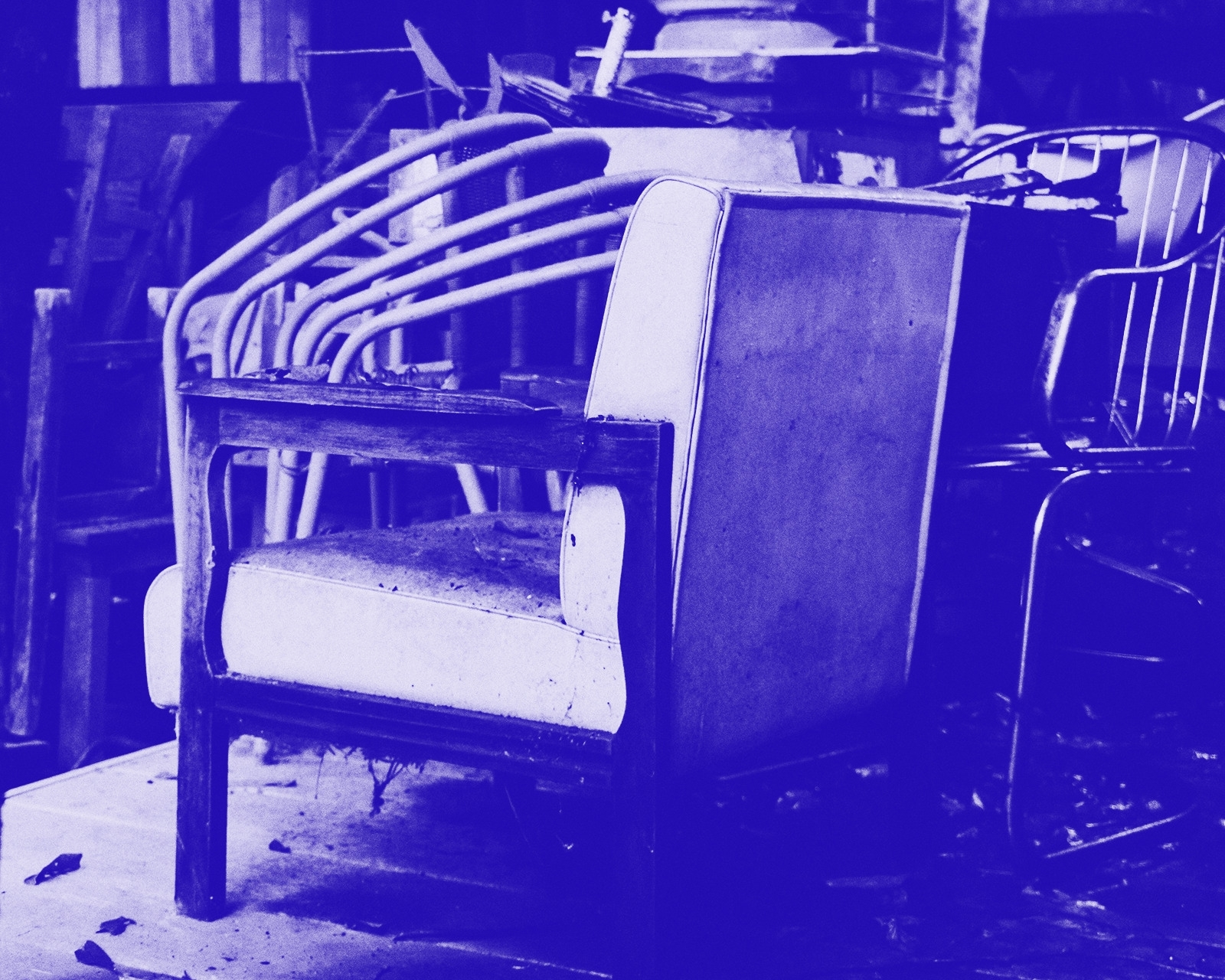
Antiques or secondhand goods: What's the difference?
In everyday language, the two terms are often confused. Yet they tell very different stories…
Understanding the Two Complementary Worlds of Interior Design and Antique Furniture
In the world of high-end interior design and decor, antique pieces hold a special place. They tell a story, add character, and give spaces a unique soul.
But when it comes to antique furniture or decorative items, one question often comes up: What is the real difference between a secondhand dealer and an antique dealer?
These two professions are often confused with one another, even though they involve very different approaches, areas of expertise, and expectations.
At ATELIER RINOVO, the selection of antique pieces is an integral part of the overall process. Understanding these differences allows us to better select the items that will lend authenticity and personality to an interior.
The Antique Dealer: The Art of Uncovering Unique Pieces
An antique dealer hunts for, selects, and resells antique or secondhand items. Their world is vast, eclectic, and often accessible.
It includes:
- vintage furniture,
- decorative items,
- light fixtures,
- dishes,
- mirrors,
- textiles,
- or even unusual and unique pieces.
An Approach Based on Instinct
Antique dealers often prioritize the aesthetics, charm, and history of objects over their historical or cultural value.
His plays may include:
- old,
- vintage,
- popular,
- industrial,
- or simply unique.
The goal is to offer items that have a strong presence and personality.
A vibrant and accessible world
Flea markets are particularly appealing to fans of authentic decor and people who want to create interiors that are less cookie-cutter.
It's also a great way to:
- to mix styles,
- to incorporate one-of-a-kind pieces,
- and to add depth to a contemporary interior design.
The Antique Dealer: Expertise in History and Cultural Heritage
The antique dealer, on the other hand, takes a much more specialized approach.
His job involves:
- expertise,
- authentication,
- the estimate,
- and the promotion of antique objects of genuine historical, artistic, or cultural significance.
Items selected based on specific criteria
An antique dealer generally deals in objects from recognized historical periods:
- antique furniture,
- works of art,
- sculptures,
- rare items,
- signed pieces,
- or period furniture.
Workmanship, origin, period, and authenticity are essential criteria.
An expert role
Antique dealers often have in-depth knowledge of:
- art history,
- cabinetmaking,
- decorative styles,
- food service,
- and valuation.
He can also issue certificates of authenticity or assist collectors with their purchases.
The main difference: the concept of value
The main difference between a secondhand dealer and an antique dealer lies in the value placed on the items.
The secondhand dealer is looking for:
- aesthetics,
- originality,
- the decorative potential,
- and emotion.
The antique dealer is looking for:
- authenticity,
- scarcity,
- historical quality,
- and heritage value.
In other words, an item sold at a flea market can be old and full of charm without necessarily having significant historical value.
Conversely, an item offered by an antique dealer generally comes with a more in-depth appraisal and is recognized as having value in the art or antique furniture market.
Why are these careers so appealing today?
The current popularity of flea markets and antiques reflects a profound shift in the way we approach interior design.
In contrast to standardized spaces and mass-produced goods, more and more people are looking for:
- unique items,
- authentic materials,
- rooms steeped in history,
- and more sustainable decor.
Antiques can be used to create interiors:
- warmer,
- more personal,
- and more timeless.
They also add an emotional dimension that is impossible to replicate with mass-produced furniture.
The Role of the Interior Designer in Selecting Antique Pieces
Incorporating antique furniture into an interior requires a true sense of balance.
At ATELIER RINOVO, the interior designer’s job is precisely to create a harmonious dialogue between:
- antique coins,
- contemporary furniture,
- subjects,
- volumes,
- and light.
Blend styles subtly
An elegant interior isn't based on a collection of antique objects.
The goal is rather to:
- create controlled contrasts,
- add character without overdoing it,
- and create a cohesive atmosphere.
An antique table can thus blend perfectly with contemporary designs, provided the overall look is thought out carefully.
Flea market or antique shop: Which should you choose for your home?
It all depends on the project and the desired atmosphere.
Flea markets are ideal for:
- create a vibrant and eclectic decor,
- incorporate accessible and unique pieces,
- add charm to a contemporary interior,
- or add a personal touch to a space.
Antiquity is more suitable for:
- invest in heirloom pieces,
- enhance a high-end interior,
- incorporate exceptional pieces of furniture,
- or create a more classic and sophisticated decor.
In many projects, the two approaches complement each other perfectly.
More Sustainable and Responsible Decor
Choosing vintage items—whether from a flea market vendor or an antique dealer—is also part of a more responsible approach.
Reusing existing furniture allows you to:
- to limit overconsumption,
- to preserve traditional skills,
- to promote the arts and crafts,
- and to give quality items a second life.
This more sustainable approach to interior design is now appealing to customers seeking meaning and authenticity.
Conclusion
Flea market vendors and antique dealers practice two complementary yet profoundly different professions.
One focuses on charm, emotion, and decorative potential.
The other brings expertise in history and heritage.
In both cases, these worlds allow you to enhance your interiors with one-of-a-kind pieces that tell a story and give spaces a true identity.
At ATELIER RINOVO, incorporating antique furniture is part of a holistic approach to interior design: creating elegant, vibrant, and timeless spaces where every object naturally finds its place.