The Profession of Interior Designer
Or the Art of Creating Harmonious and Timeless Interiors…
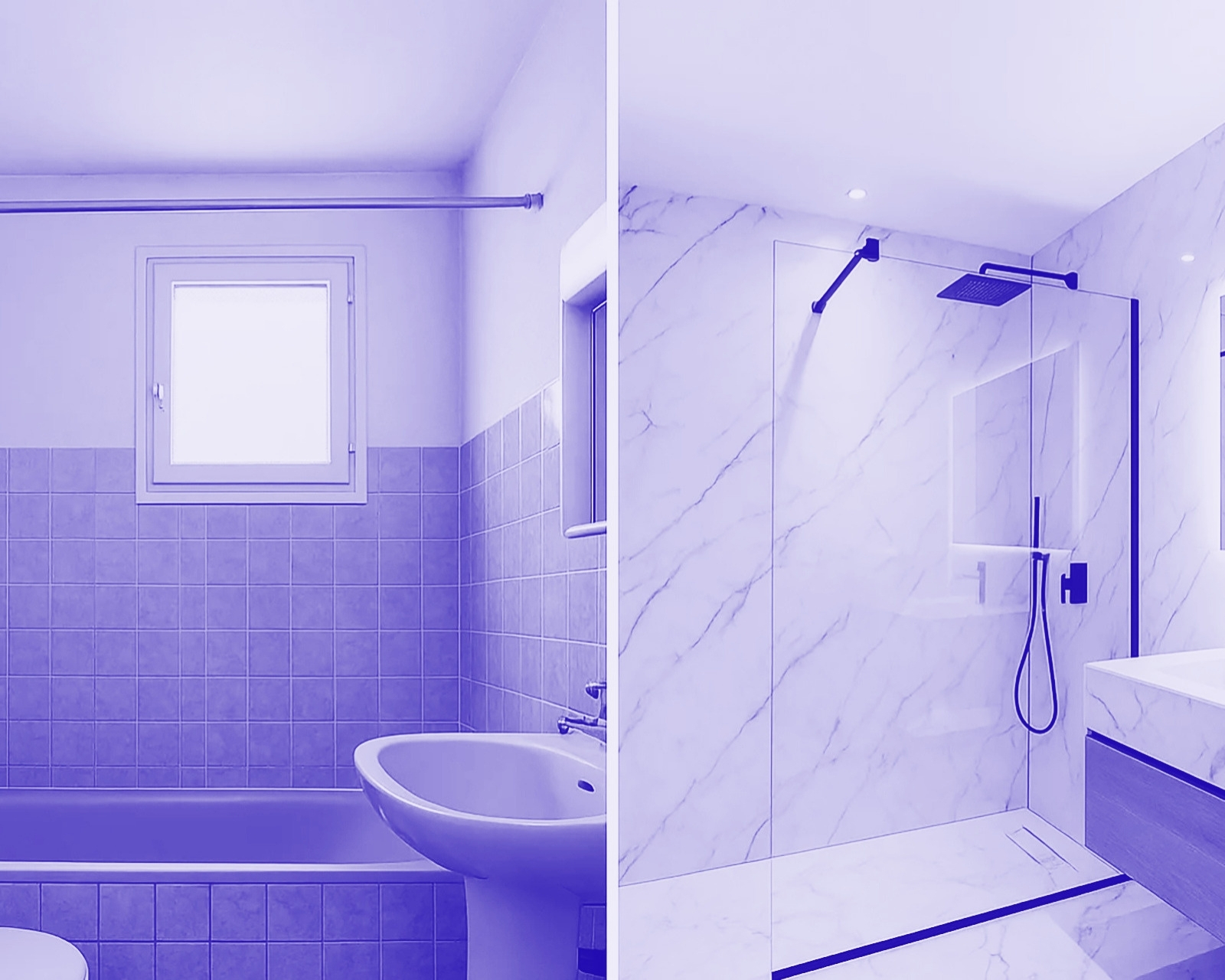
In a world where interiors have become a direct reflection of our personalities, the profession of interior designer is experiencing a significant resurgence in interest. Much more than a simple decorator, the interior designer creates spaces that are cohesive, elegant, and deeply vibrant. Their role isn’t limited to choosing a sofa or a paint color—they envision an overall atmosphere where each element interacts with the others.
But what exactly does this still little-known profession entail? Why can hiring an interior designer transform an ordinary space into something extraordinary? We take a closer look at a craft that blends aesthetics, comfort, and emotion.
What is an interior designer?
An interior designer is a creator of harmony. Their goal is to conceive of an interior as a whole in order to create visual, emotional, and functional unity.
Contrary to popular belief, it’s not just about “decorating.” An interior designer works on:
- volumes,
- the materials,
- the colors,
- the light,
- furniture,
- textures,
- and the overall atmosphere of a place.
Every detail is designed to tell a coherent story.
A successful overall design isn't immediately noticeable because of any one spectacular element. You feel it. It's that sense of natural balance, subtle comfort, and fluid elegance that makes all the difference.
Interior designer, decorator, or interior architect: What are the differences?
These professions are often confused with one another, even though they involve distinct approaches.
The Interior Designer
An interior designer focuses primarily on aesthetics: choosing colors, furniture, decorative items, and finishes.
The Interior Designer
The interior designer reimagines the layout of spaces: circulation, partitions, volumes, and technical optimization.
The Interior Designer
The interior designer, for his part, orchestrates the whole. He creates a sense of continuity between architecture, decor, furniture, and lifestyle. His approach is holistic and emotional.
He acts as a conductor of the home.
Why hire an interior designer?
Create a Unique Interior
These days, trends spread quickly on social media, and interiors can sometimes end up looking alike. An interior designer helps you create a truly personal space, tailored to your lifestyle, your tastes, and your story.
Improving Consistency
A beautiful interior does not depend on the price of the items that make it up, but on their harmony. An interior designer knows how to balance materials, proportions, and styles to avoid lapses in taste or cluttered arrangements.
Appraising a Property
A harmonious interior significantly increases a property’s appeal. Whether it’s a primary residence, a vacation home, or a rental property, a well-coordinated design enhances the perception of the spaces and increases their value.
Optimizing Everyday Comfort
Aesthetics alone aren't enough. A successful interior must also be seamless, practical, and pleasant to live in. The interior designer plans spaces so that they are as beautiful as they are functional.
The Pillars of a Successful Comprehensive Project
Light
Whether natural or artificial, light shapes spaces and directly influences a place’s atmosphere. An interior designer treats lighting as a material in its own right.
Materials
Wood, stone, linen, metal, glass, or velvet: each texture offers a unique sensation. The secret lies in balance and subtle contrasts.
Colors
Colors influence our perception of spaces and our emotions. A cohesive color palette helps create a warm and timeless atmosphere.
Furniture
Furniture should never be chosen in isolation. Each piece must complement the architecture and contribute to the overall identity of the space.
The Return of Authenticity in Interior Design
Current trends point to a genuine return to interiors that are more authentic, warmer, and more sustainable.
Customers are now looking for:
- natural materials,
- handcrafted pieces,
- sustainable furniture,
- soothing spaces,
- and a less standardized decor.
The profession of interior designer perfectly fulfills this search for meaning and emotion.
More than just a trend, this approach reflects a new way of living: one that is more mindful, more intimate, and focused on quality.
Behind the Scenes of an Interior Design Project
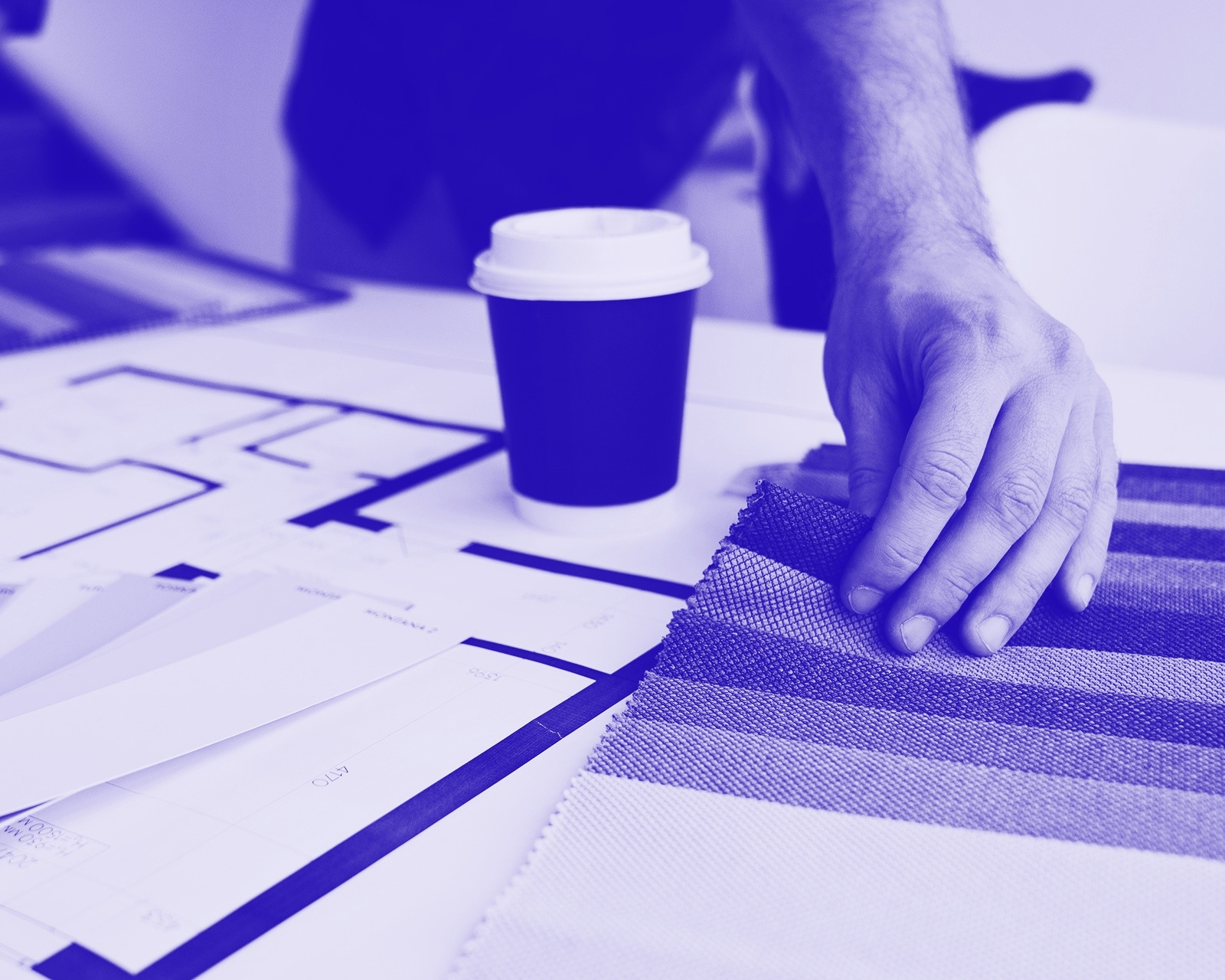
Every project begins with a meeting and a careful assessment of the client's needs.
The interior designer seeks to understand:
- lifestyle habits,
- aesthetic tastes,
- the constraints of the location,
- deep-seated desires,
- and the desired atmosphere.
Next are:
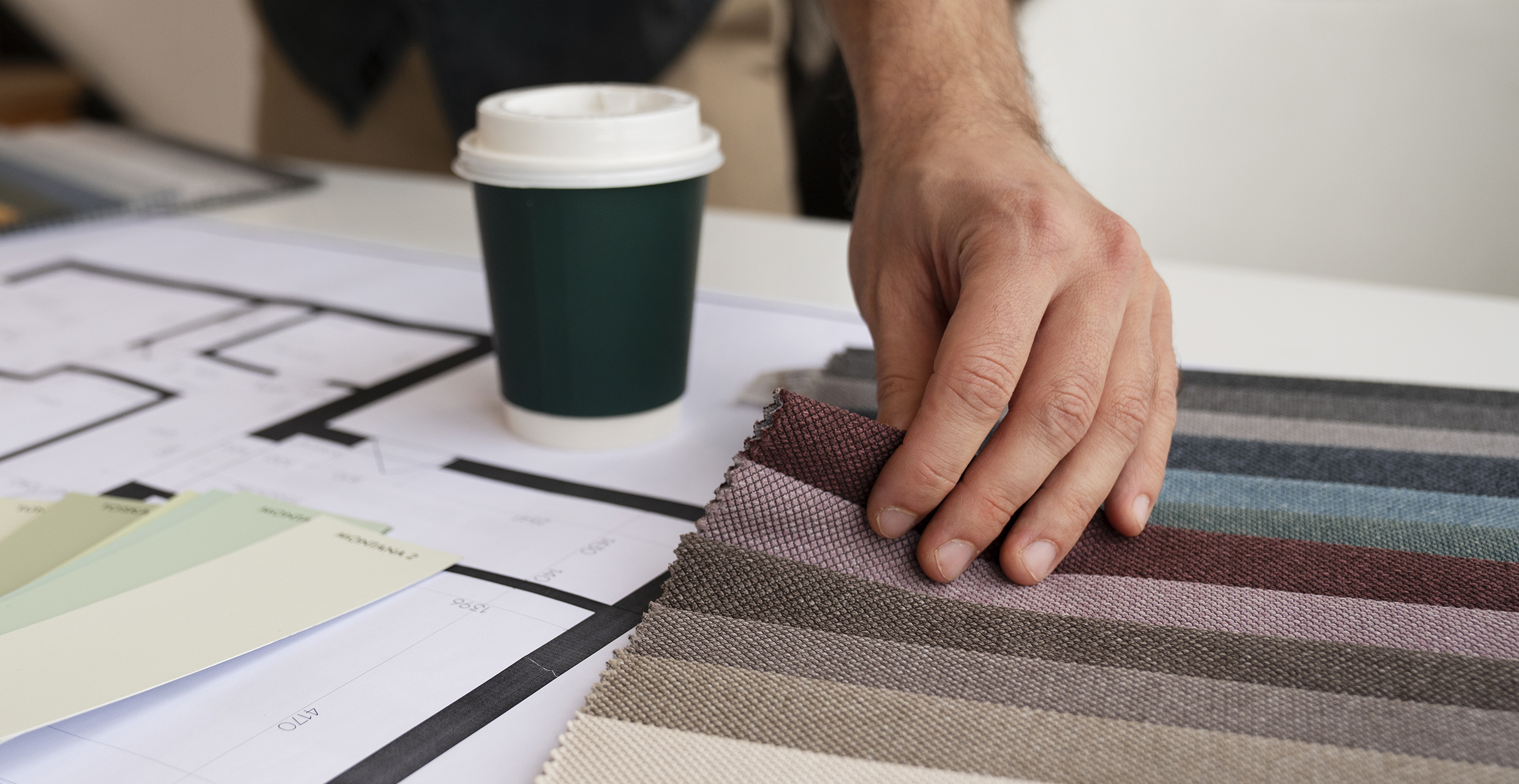
- the creation of an art department,
- mood boards,
- the selection of materials,
- the choice of furniture,
- and then the final scene.
Each step helps create a cohesive and vibrant interior.
A profession that combines artistic sensibility and technical expertise
Being an interior designer requires both:
- a strong aesthetic culture,
- an excellent understanding of spaces,
- an understanding of trends,
- knowledge of materials,
- and a genuine ability to listen.
Because a well-designed interior isn't just beautiful—above all, it should reflect the people who live there.
Conclusion
The work of an interior designer goes far beyond simple decoration. It involves creating spaces that are harmonious, elegant, and deeply human.
In an era when our homes have become sanctuaries, working with an interior designer can transform a space into a truly enriching living experience.
Because a harmonious interior isn't just about what you see.
You feel it, every day.