Brutalist Furniture Style: How to Incorporate It Into an Interior or Exterior Space?
Brutalist furniture captivates with its bold forms, raw materials, and sculptural character. Long associated with the monumental architecture of the 20th century, the Brutalist style is now finding new expression in both our interiors and outdoor spaces.

Concrete, stone, solid wood, metal, monolithic forms, and clean lines come together to create a space that is both minimalist and warm when balanced just right. But how can you embrace the Brutalist style without turning your interior into an industrial-style space? What furniture should you choose? And how can you extend this aesthetic to a patio, a garden, or around a pool?
At Atelier Rinovo, furniture is viewed as a defining element of a space: a piece chosen for its material, its history, its proportions, and its ability to give a space a unique identity. This approach aligns particularly well with the Brutalist aesthetic, which emphasizes the expression of materials and forms rather than decorative excess.
What is the Brutalist style?
Brutalism is an architectural movement that emerged after World War II. It is characterized in particular by the deliberate use of raw materials, large geometric volumes, a clear structural framework, and a minimalist aesthetic. Exposed concrete plays a central role in this movement, but it also makes use of stone, wood, steel, and glass.
When applied to furniture and interior design, the Brutalist style retains this pursuit of simplicity, materiality, and formal power.
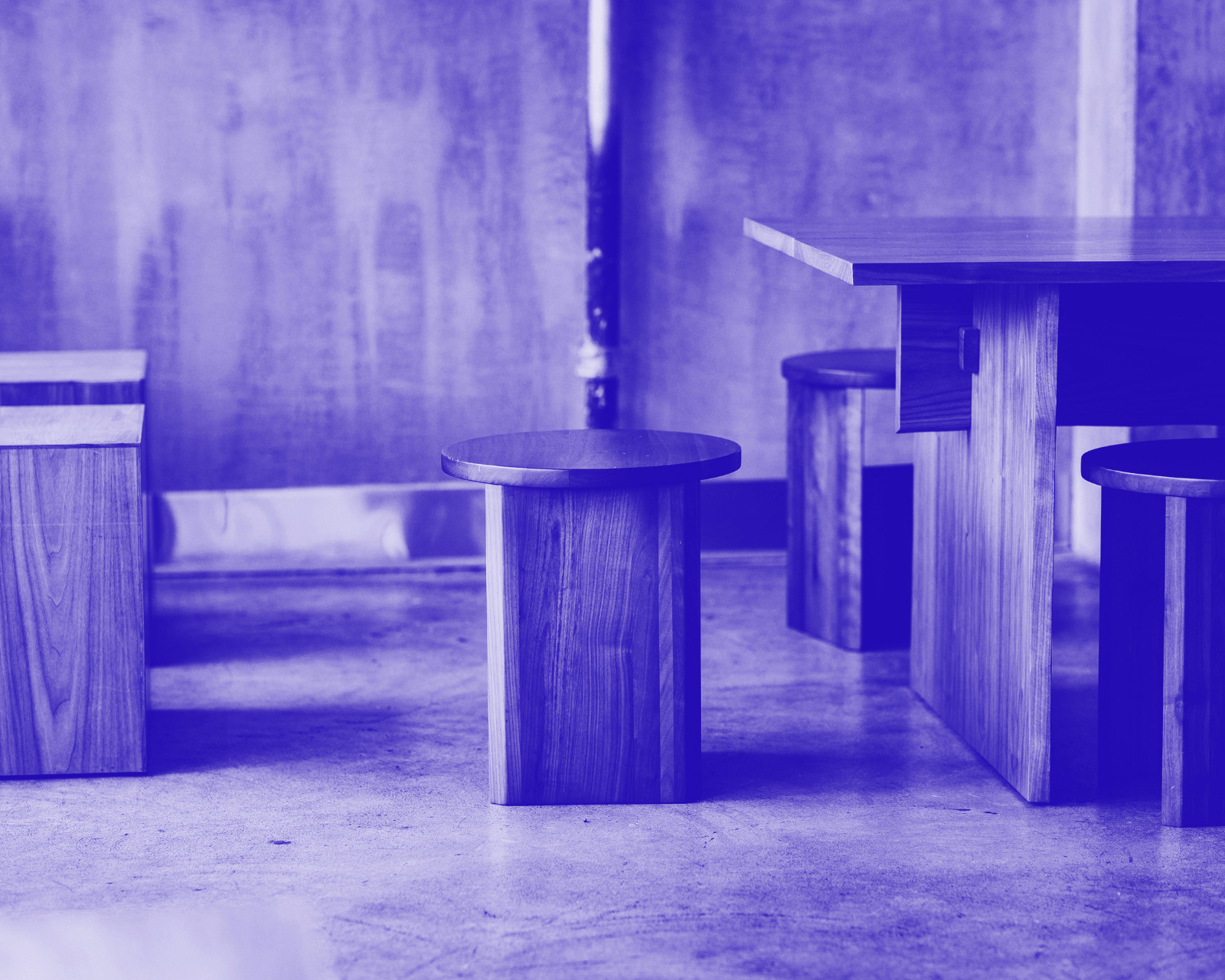
A table is no longer just a table—it can become a true architectural focal point in a room. A solid-wood bench, a stone console table, or a coffee table with monolithic lines can be enough to give a space a strong sense of character.
The Main Characteristics of Brutalist Furniture
There are usually several markers:
- geometric and clean-cut shapes;
- generous, sometimes monolithic volumes;
- materials left visible and embraced;
- solid wood, concrete, stone, or metal;
- irregular textures and signs of manufacturing;
- a deliberately minimalist design;
- a strong focus on proportions and light.
Brutalist furniture, therefore, does not necessarily seek to be spectacular through ornamentation. Its presence stems from its materials and its silhouette.
What materials should you choose for a brutalist interior design?
The choice of materials is essential for creating a true brutalist atmosphere. The goal is not to systematically replicate a cold, gray interior, but to create a dialogue between materials with different characteristics.
Solid Wood: The Warmth of Brutalism
Wood is particularly effective at balancing the visual impact of concrete, stone, or metal.
Oak, walnut, elm, or reclaimed wood can be used to make a dining table, a bench, a console table, a bookcase, or a coffee table.
In a contemporary interior, a solid-wood piece of furniture with simple lines can be enough to create a brutalist atmosphere without altering the entire architecture of the space.
Tip: Look for visible grain patterns, irregularities, and simple finishes. They enhance the room’s authentic character.
Concrete and Mineral Materials
Concrete is one of the most obvious expressions of Brutalism. It can be found on a floor, a wall, a countertop, or incorporated directly into furniture.
A concrete coffee table, a solid base, or a mineral architectural element can become the focal point of a living room.
To avoid a space that feels too austere, pair concrete with more tactile materials: wood, wool, linen, leather, or heavy fabrics. This contrast between hard and soft materials helps preserve the style’s boldness while adding comfort.
Stone: A Natural Alternative to Concrete
Rough-hewn stone, travertine, granite, or limestone can be used to create a more organic brutalist aesthetic.
A solid stone table, for example, can become a centerpiece in a dining room, living room, or on a patio.
Stone also has the advantage of creating an interesting continuity between the interior and exterior spaces.
Metal and Steel
Black, weathered, or brushed steel adds a more graphic element.
It can be used for:
- the legs of a table;
- a library structure;
- a shelf;
- a console;
- a room divider;
- a light fixture;
- outdoor furniture.
Once again, metal works particularly well when paired with a warmer material.
How can you create a brutalist interior without making it feel cold?
That's probably the most important question to ask when you want to adopt this aesthetic.
A successful brutalist interior isn't just about using lots of dark materials, concrete, and imposing furniture. It relies above all on a balance between mass, light, texture, and circulation.
1. Choose a strong hand
Start with a piece of furniture that really makes a statement.
This could be:
- a large solid-wood table;
- a monolithic coffee table;
- a sculptural armchair;
- an antique sideboard;
- a stone console;
- a generously sized bench.
This room serves as the starting point for the design.
The rest of the furniture can then be more understated to give it some space.
This approach aligns well with a philosophy of distinctive furniture: rather than accumulating objects, it is better to select a few pieces that tell a story.
2. Let the spaces breathe
Brutalist furniture often has a strong visual presence. It is therefore important to leave enough space around the pieces.
Avoid automatically filling every wall or corner.
A large table placed in the center of a room can be much more striking when it has ample space around it.
3. Working with Light
Light is essential in brutalist interior design.
It reveals the texture of the wood, the irregularities of the stone, the relief of the concrete, and the nuances of the metal.
Whenever possible, choose:
- natural light;
- indirect lighting;
- sculptural pendant lights;
- diffuse wall sconces;
- point light sources.
The goal is not so much to provide uniform lighting as it is to highlight shapes and textures.
4. Introduce flexible materials
To balance out the hard surfaces, add a few softer elements:
- fabric sofa;
- wool rugs;
- linen curtains;
- leather armchair;
- textured cushions;
- natural wood.
For example, the contrast between a table with a very minimalist, industrial look and a plush fabric sofa can create an atmosphere that is both architectural and comfortable.
What Brutalist furniture should you choose for each room?
The Brutalist Living Room
In a living room, choose a central piece of furniture that can define the space.
A brutalist coffee table made of solid wood, stone, or concrete makes an excellent foundation. It can be paired with a sofa featuring simple lines and a few sculptural armchairs.
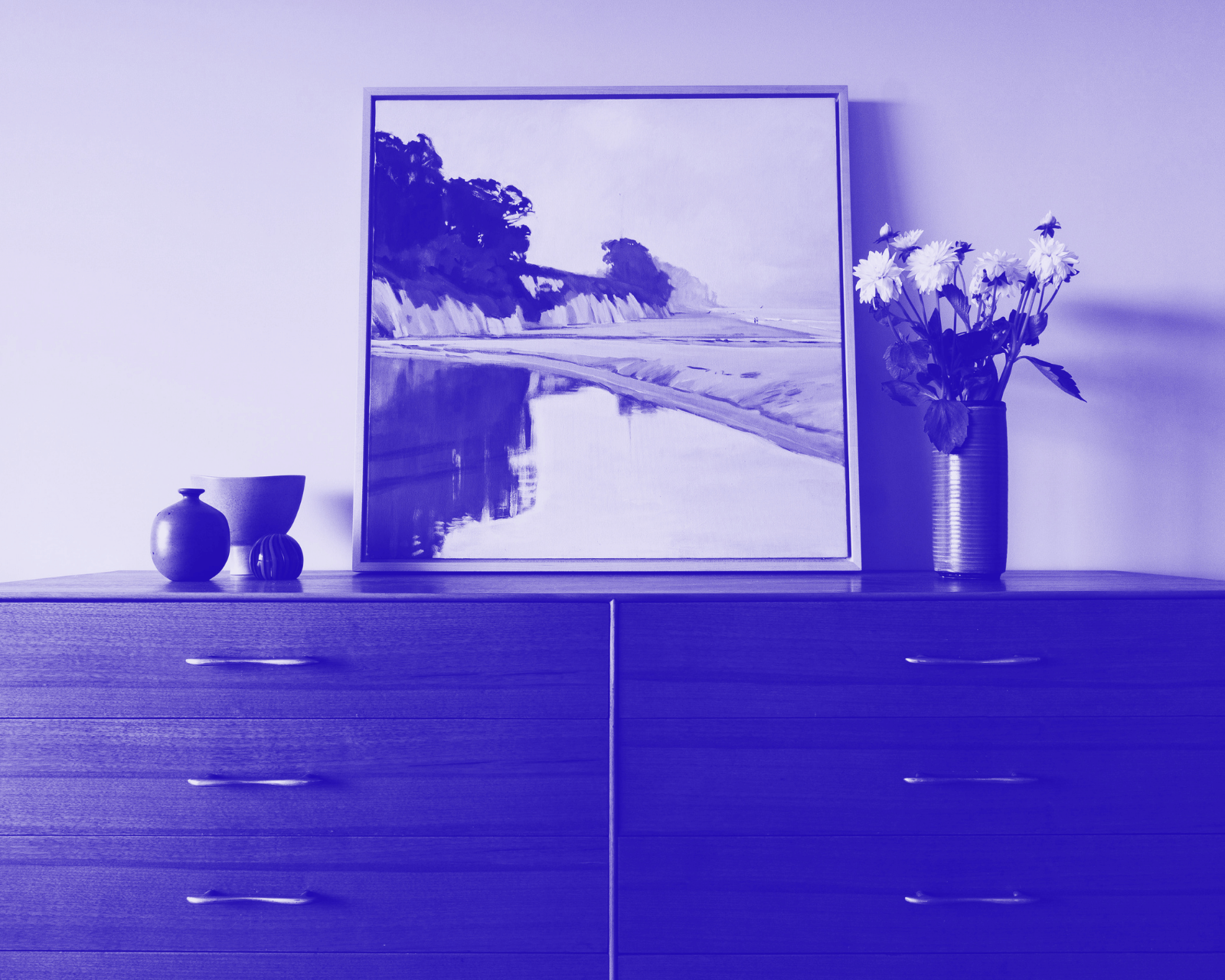
A low sideboard or a bookcase made of wood and metal can complete the look.
The idea is to create a minimalist design: few pieces of furniture, but ones that really matter.
The dining room
The table is, of course, the centerpiece.
A large solid-wood table, with a thick tabletop and a bold frame, instantly adds an architectural element to the dining room.
The chairs around it can be intentionally lighter to create a contrast with the mass of the tabletop.
For a more contemporary look, combine wood and metal, or stone and wood.
The Kitchen
The brutalist style works particularly well with an open kitchen.
A countertop made of stone, concrete, or mineral material can become the focal point of the room.
Add the following:
- simple facades;
- minimalist handles;
- metal shelves;
- solid wood stools;
- a sculptural pendant light.
The kitchen then takes on an almost architectural quality.
The bedroom
In a bedroom, brutalism should be used with greater restraint.
A wooden headboard, a pair of sturdy nightstands, or a bench at the foot of the bed may be all you need.
Textiles play a major role here: linens made of linen, wool, and thick cotton, as well as rugs, help create a warm atmosphere.
The key is to incorporate brutalism into the bedroom without compromising its primary purpose: to create a soothing space.
The Entrance
The entryway is a great place to feature a bold, brutalist piece.
A solid-wood console table, an antique bench, or a mirror paired with a metal frame can instantly set the tone.
It's also a space where a single piece can make a big impact without requiring an abundance of decor.
How do you design an outdoor space in the brutalist style?
The brutalist style doesn't stop at the walls of the house.
Terraces, patios, gardens, pool houses, or outdoor workspaces can also incorporate these design elements.
The goal, then, is to create continuity between architecture, furnishings, and the landscape.
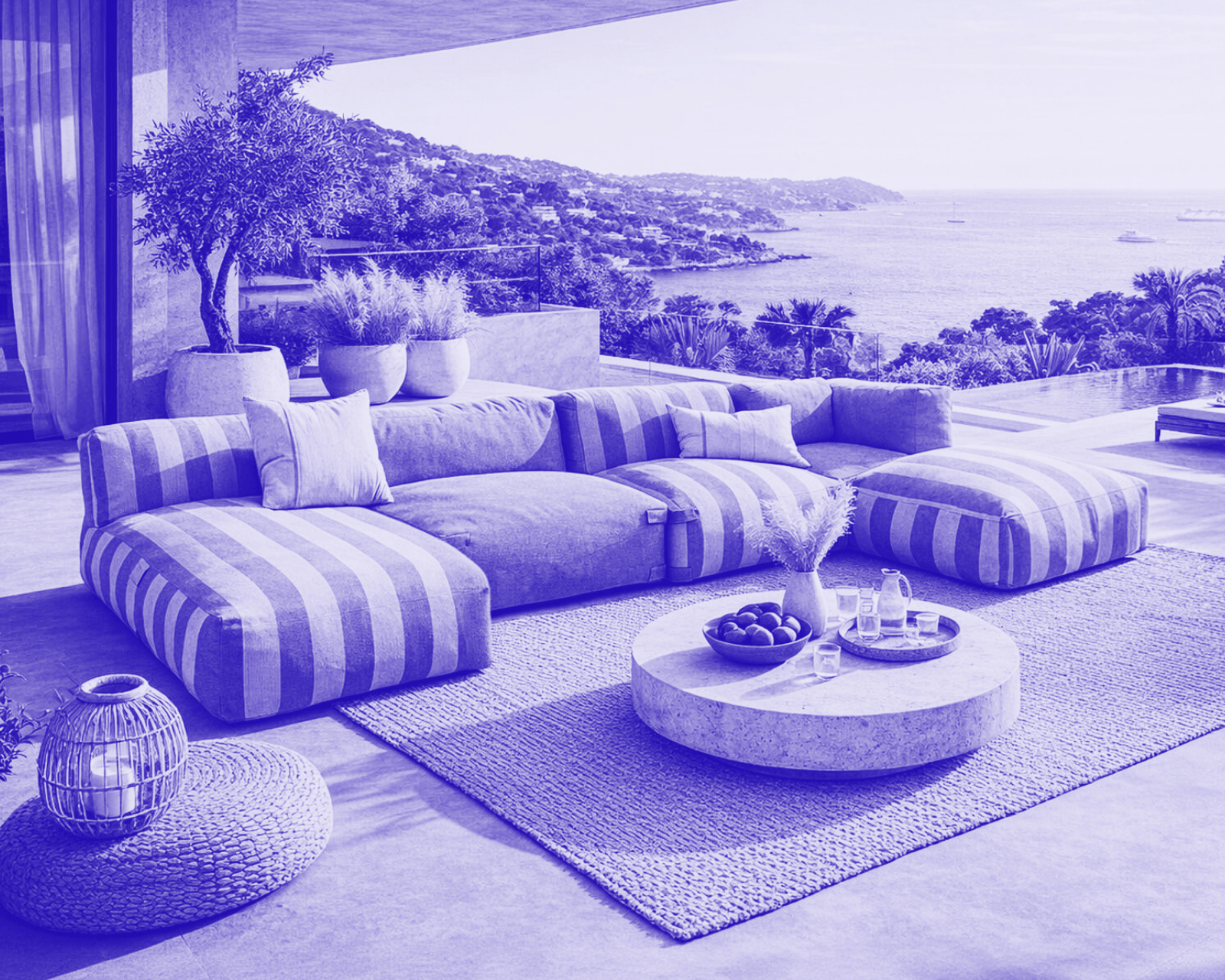
A Brutalist Terrace
When designing a patio, choose materials that blend naturally with the surroundings:
- stone;
- concrete;
- solid wood;
- metal;
- mineral ceramic.
A large table made of untreated wood or stone can define the dining area.
Solid benches can replace several individual seats and enhance the architectural look.
To avoid a composition that’s too rigid, add plants with natural shapes: grasses, olive trees, shrubs, or plants with striking, geometric forms.
A stone patio
The patio lends itself particularly well to the brutalist style.
A few well-chosen elements may be all it takes:
mineral soil + monolithic bench + vegetation + indirect lighting.
The contrast between the mineral quality of the surfaces and the greenery creates a very contemporary atmosphere.
Around a pool
Surrounding a pool, the simple lines of the brutalist furniture serve as an extension of the architecture.
A stone bench, sculptural armchairs, or a coffee table made of mineral material can create a cohesive arrangement.
However, be sure to choose materials that are suitable for outdoor use: weather resistance, durability, maintenance, and sun exposure must all be taken into account before installation.
How can you mix brutalist furniture with vintage furniture?
The combination of brutalism and vintage furniture is particularly interesting.
A Brutalist room already has a strong identity. It can therefore be paired with furniture from other periods, provided that the proportions and materials remain consistent.
For example, a large wooden piece of furniture from the 1960s can complement contemporary concrete architecture.
Similarly, a brutalist table can be surrounded by lighter, vintage chairs.
This combination helps avoid the "themed decor" effect and gives the space a more natural feel.
This is also one of the reasons why secondhand items and antique furniture fit so well into a brutalist interior design: the signs of age, irregularities, and traces of wear and tear enhance the authentic character of the materials.
Brutalism and Custom Furniture: How to Create a Truly Unique Space?
The brutalist style works particularly well with custom-made furniture.
Why?
Because proportions are fundamental.
A table that's too small will lose its impact. A bookcase that's too imposing can weigh down a room. A bench that's the wrong size will block the flow of traffic.
On the contrary, custom-made furniture allows you to adapt the piece:
- based on the room's dimensions;
- the ceiling height;
- traffic flow;
- for various uses;
- into the light;
- to existing materials.
At Atelier Rinovo, each piece of furniture selected is specifically matched to a set of specifications developed in advance, with an approach focused on distinctive spaces and the search for one-of-a-kind pieces.
This approach goes beyond mere decoration: the piece of furniture becomes an integral part of the interior design project.
5 Mistakes to Avoid in Brutalist Interior Design
1. Go all in on gray
Brutalism is more than just gray concrete.
Wood, stone, leather, textiles, weathered metal, and earthy colors help create more depth.
2. Collecting large pieces of furniture
Just one strong piece may be enough.
Using too many large, bulky pieces can visually overwhelm the space.
3. Neglecting comfort
A successful design must remain livable.
Combine hard materials with comfortable seating, rugs, and textiles.
4. Recreate an industrial look
Brutalism has its own identity. It's not just a matter of adding black metal and concrete walls.
The focus on proportions, materials, and light is much more important.
5. Buying a piece of furniture just for its appearance
A beautiful room must also be suited to its purpose.
Before choosing a piece of furniture, ask yourself three questions:
What role should it play? What place will it occupy? And how will it age in this environment?
Is brutalist furniture suitable for all interiors?
Yes, as long as you don't try to copy the style word for word.
A Haussmann-style apartment, a contemporary house, an old barn, a hotel, a restaurant, or a vacation home can all incorporate Brutalist elements.
The appeal lies precisely in the interplay between the existing space and the furniture.
A brutalist table can thus add a sense of tension to a classic interior. A sculptural armchair can energize a minimalist space. A solid-wood bench can add warmth to a very stark, minimalist design.
The Brutalist style then becomes less of a decor style and more of a way of choosing furniture.
FAQ: Brutalist Furniture and Decor
What is a piece of brutalist furniture?
Brutalist furniture is generally characterized by clean lines, bold forms, and the use of expressive materials such as solid wood, stone, concrete, or metal. It emphasizes materials, function, and proportions rather than ornamentation.
What materials should you use for a brutalist interior design?
The most common materials are concrete, stone, solid wood, and metal. They can be combined with glass, leather, or natural textiles to create greater contrast and comfort.
How can you make a brutalist interior feel warm?
Combine mineral materials with wood, natural textiles, leather, rugs, and warm lighting. It’s also best to leave enough space around the furniture to highlight its proportions.
What piece of furniture should I choose to start a brutalist decor?
A coffee table, a dining table, a sideboard, or a bench are all good places to start. It’s best to choose a focal point and then gradually build the rest of the room’s layout around it.
Can the brutalist style be applied to outdoor spaces?
Yes. A terrace, patio, garden, or pool house can feature furniture with bold, substantial shapes and made of natural or mineral materials. However, the choice of materials must be adapted to local climate conditions and exposure.
Does brutalist furniture have to be old?
No. This style can combine vintage pieces, secondhand items, and contemporary designs. The key is to maintain consistency in materials, proportions, and lines.
Brutalism: A Story of Materials and Character
Adopting the brutalist style doesn't mean turning your home into a concrete structure.
Above all, it's about learning to observe materials, volumes, and proportions.
A piece of wooden furniture weathered by time, a stone table, a metal structure, or a sculptural armchair can be enough to transform the way a space is perceived.
The key lies in selection: fewer pieces, but more character.
It is precisely this approach that makes it possible to create unique interiors and exteriors, where every piece of furniture has a function, a presence, and a story.
At Atelier Rinovo, we select furniture and decorative pieces to create spaces unlike any other. Whether it’s a home, a vacation rental, a hotel, or a restaurant, our goal is to bring out the space’s potential and build a cohesive identity around carefully chosen pieces.
Brutalist furniture is no longer just a decorative trend: it becomes a way of living in a space with more character, substance, and meaning.